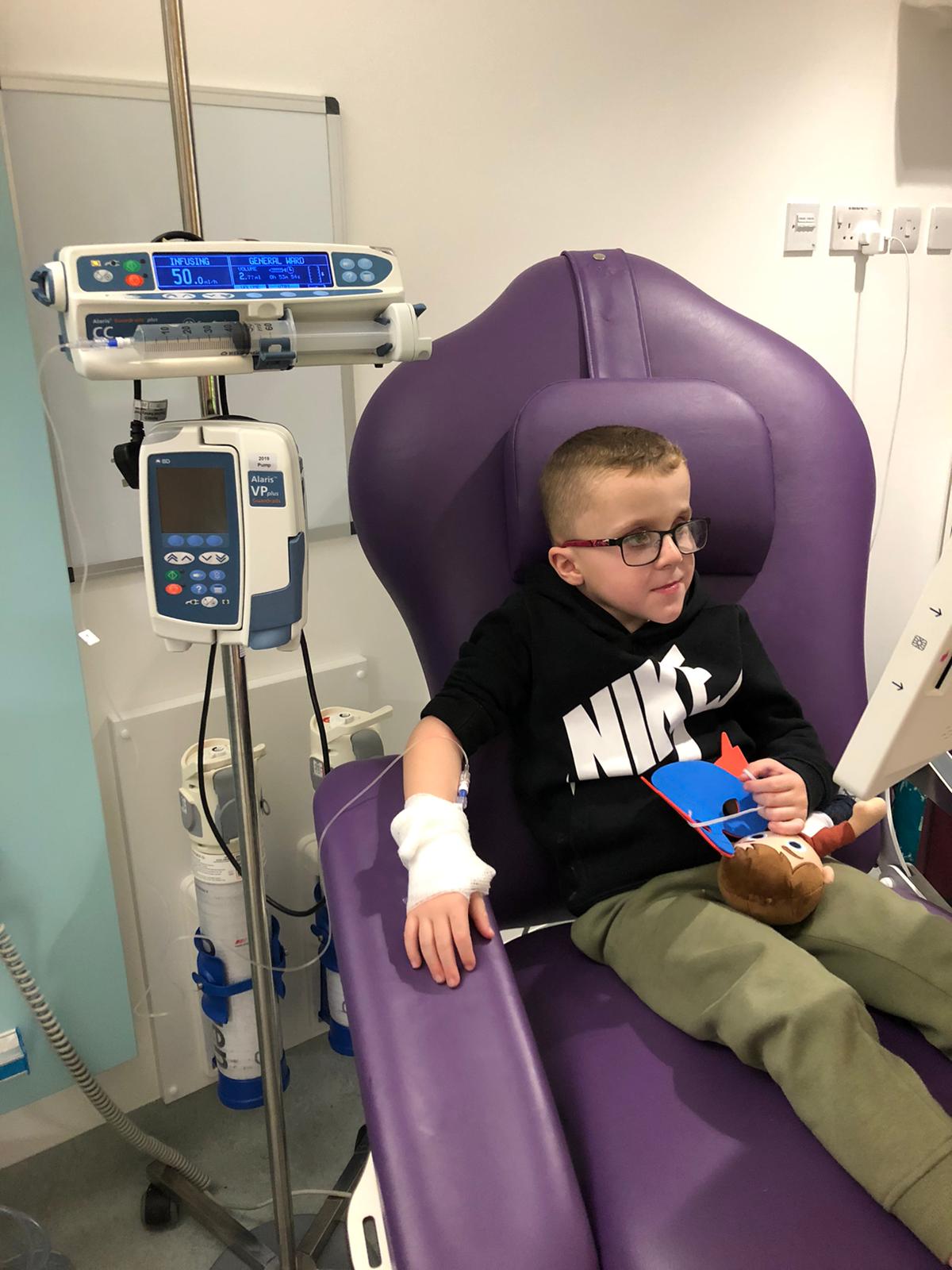
 A year ago last week, after almost a year of appointments and tests, our little Grandson was given a diagnosis of Linear Morphea in his left leg. Although not life threatening, if left untreated it can be debilitating and leave permanent damage.
His care is shared between Great Ormond Street (GOSH) and our local hospital. Initially all went well, scheduled appointments fulfilled, medication and bloods all on track.
Then Covid hit! His local appointments became telephone consultations, which weren’t particularly effective apart from ensuring the next prescription and blood test forms were produced.
An appointment in May, at GOSH also reverted to Zoom. But we were becoming concerned that the oral meds weren’t being as effective as they should be. The consultant, acknowledging our concerns, said that the next appointment (in November ) should be face to face.
By July, our concerns grew, when we noticed a new patch appear on his back and the patch on his leg was spreading across the back of his knee. Knowing if this was left unchecked, it could cause permanent mobility issues, Mum insisted on a face to face meeting at GOSH. Begrudgingly this was agreed and he met with a different consultant, who was also concerned, both that the medication had made no effect and that the condition appeared to be spreading. After more bloods, examinations and a long conversation, he was prescribed a stronger dose of the medication, which was also, changed from being taken orally to having a weekly injection. There was also a referral for physiotherapy.
 The first batch of equipment arrived promptly by courier and after some initial guidance from community nurses, the injection is now given by Dad or Granddad, with minimal fuss every week. At first they made him feel quite unwell & sick on a couple of occasions. Fortunately, however the anti sickness tablets are now relieving these symptoms, most of the time.
The physio appointment was book with a paediatric physiotherapist at GOSH, …………… via Zoom!!!! Now zoom has been great during this weird year, but how can a physiotherapist assess a patient and the exercises they need, without an examination? Our daughter insisted that she would prefer a face to face meeting and after a couple of insistent phone calls she was able to speak directly to the physiotherapist, who thankfully agreed.
He has a range of exercises, which he is supposed to do everyday at home, with the exception of school PE days, but he is reluctant as the stretching and bending is painful. He has been doing some but not as often as he should, although he does enjoy riding his bike, which should also help.
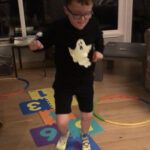
The new medication and exercises are, thankfully, showing an improvement to his leg and with the local hospital reopening its doors to face to face appointments, the consultant on his last visit agreed that she could also see an improvement. She suggested we add a bit of fun to the exercise regime and we now have regular hop scotch sessions in the conservatory and more recently hula hooping to exercise his hips.

We still have concerns in regard to the patch at the back of his knee, but with a GOSH appointment scheduled for last week, were happy it would be checked. Low and behold the day before, it was changed to a zoom meeting. Despite our daughter advising the receptionist, that the consultant had previously, agreed this meeting should be face to face, the hospital were adamant it should remain via zoom 🤬. With three consultants on the meeting (all, it appeared, working from home) the connection wasn’t great and with the view of the back of his leg not clear via an iPad, the consultant suggested they needed a face to face appointment 🤬🤬🤬, but the earliest would be January!! She will, however, ensure that the physiotherapist attends the appointment too. I have a feeling our daughter will stand her ground & make sure they meet face to face.
Why oh why, is everything such a trial? It’s a good job our daughter is a fighter. (Not sure where she gets that from 😂)
On a positive note, his meds are now being delivered regularly and on time and seem to be more effective. He is happier to do some exercise most days which in turn means the ache in his leg is affecting his daily life a little less.
We are told the condition usually burns itself out within 5 years, and providing we can prevent any issues with his knee joint, it should not have any permanent effect on his life.